Reading Level, Longer Dwell Times, Faster Page Loading Are All Factors That Affect Answer
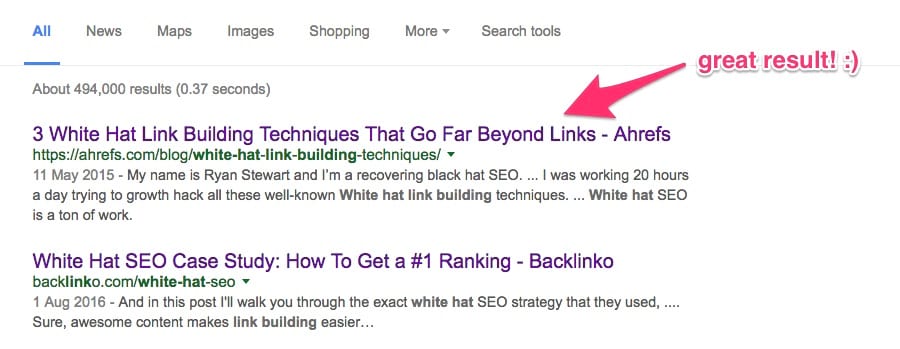
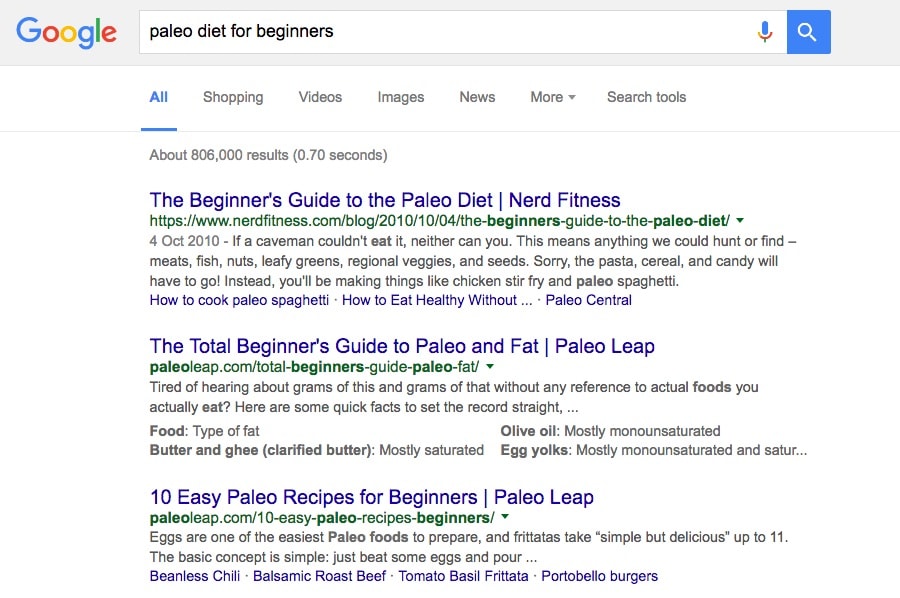
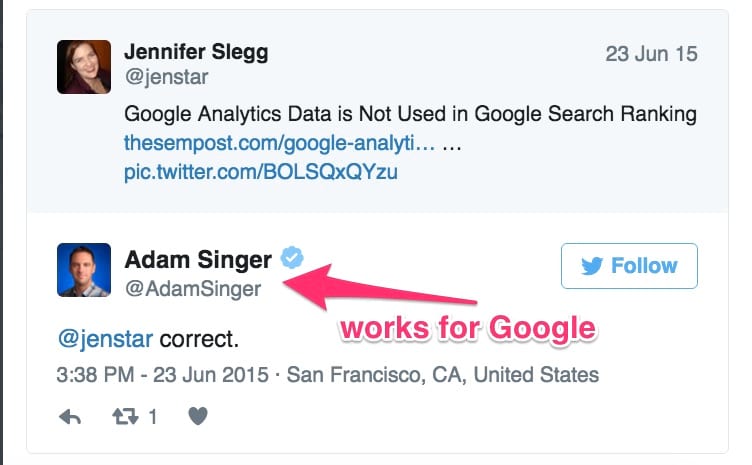
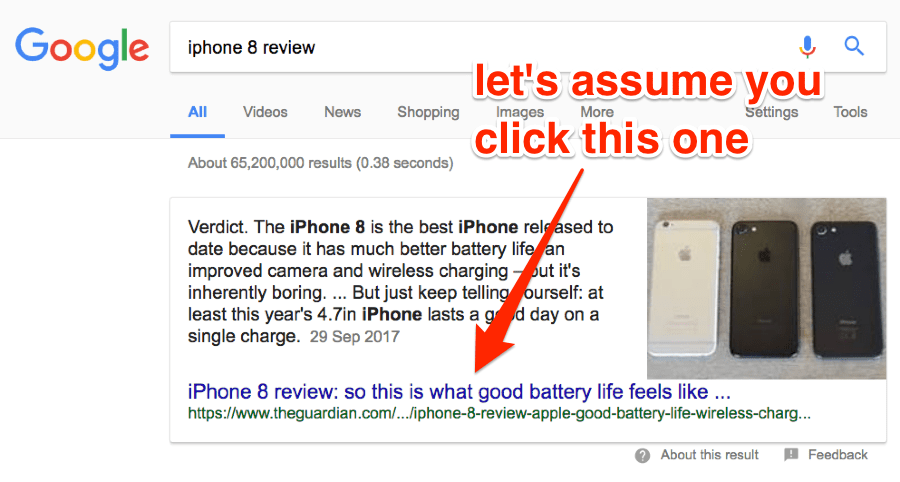
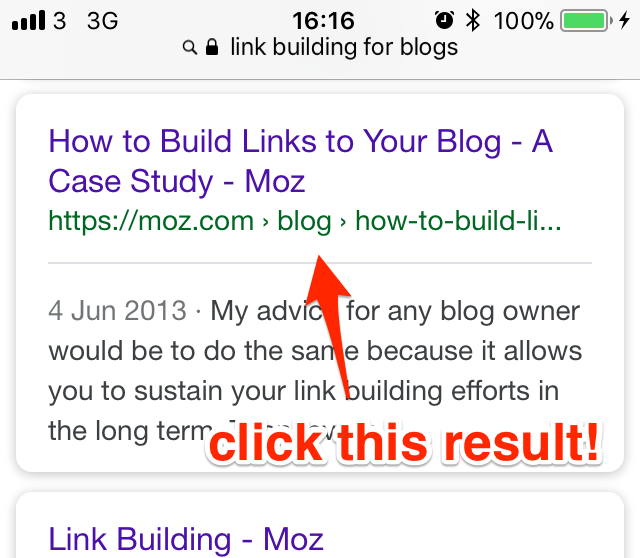
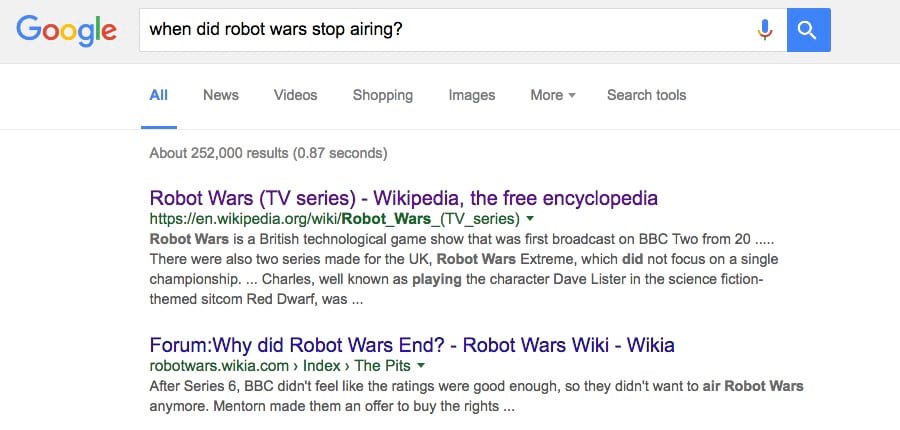
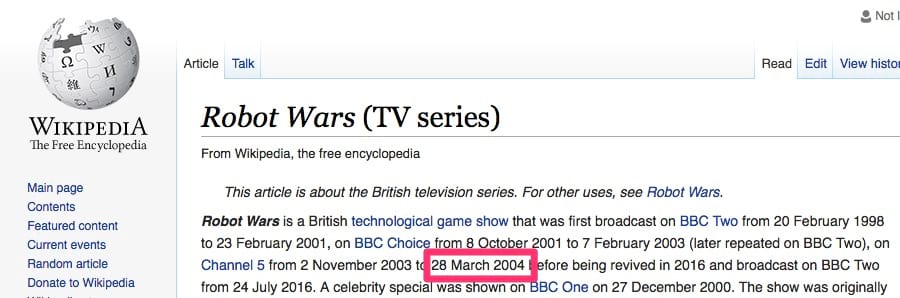
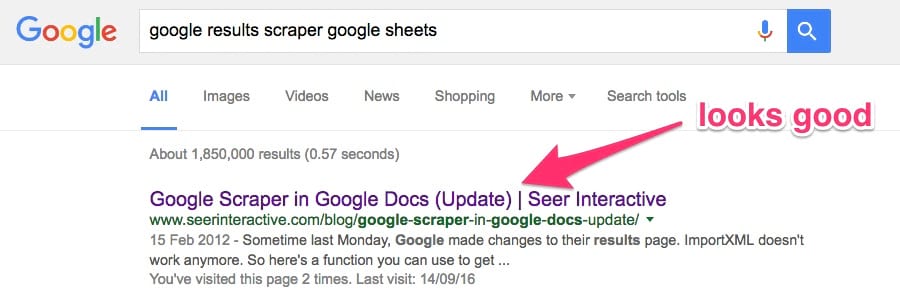
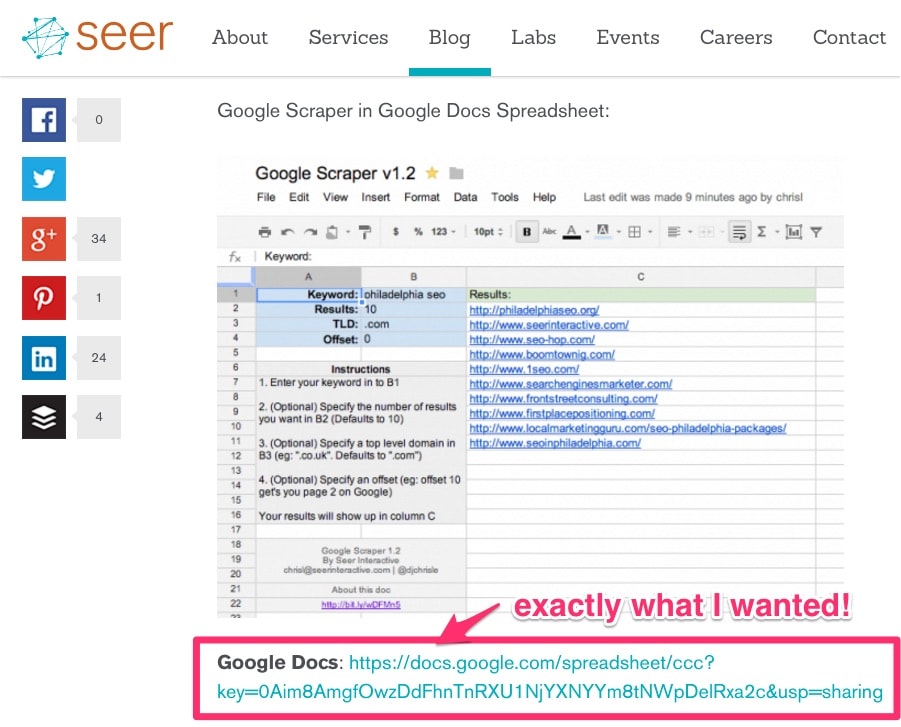
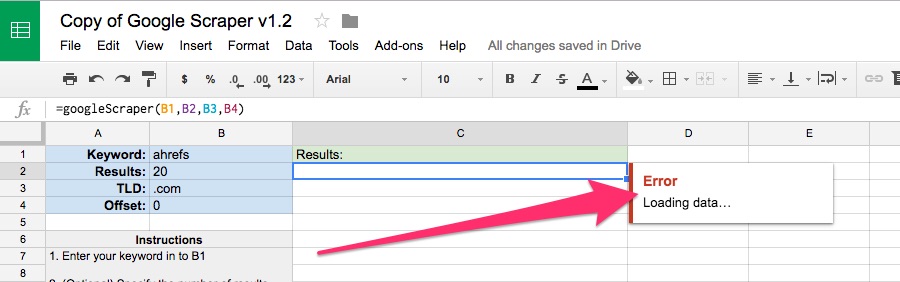
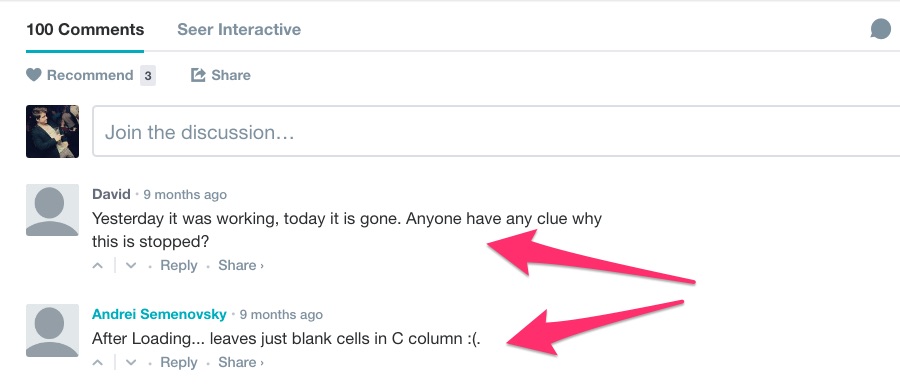
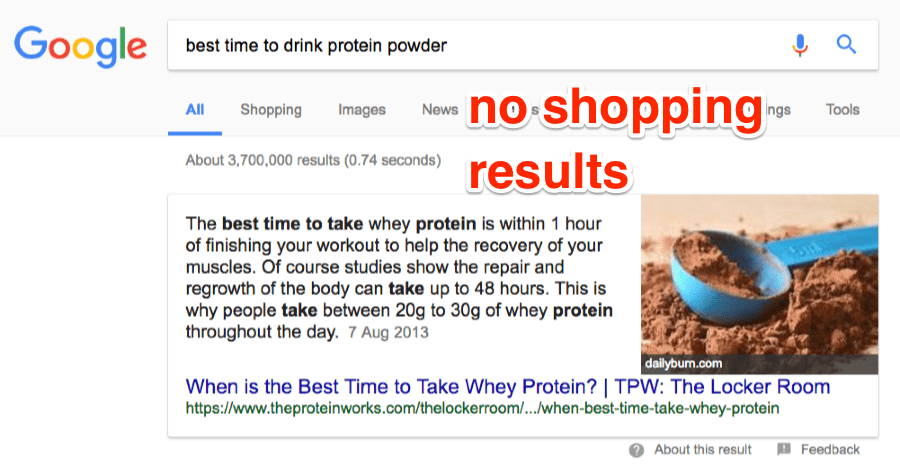
Google uses 200+ ranking factors and dwell fourth dimension is one of those factors. Or is it? The truth is, dwell time is a confusing and misunderstood metric. I hateful, what is dwell time? How is information technology measured? Is information technology Really a ranking gene? And if and then, how the heck do you optimize for it? In this post, I'll be answering all of these questions and more. I also reached out to some of the biggest names in the SEO manufacture to go their take on the thing. Allow's become started! Sidenote. This mail service was originally published in 2016. But we gave it a MAJOR update in Jan 2018 to make it up-to-date. So don't be surprised to see some quondam comments. They contribute to the topic and we could not just delete them. Dwell time is the corporeality of fourth dimension that passes betwixt the moment y'all click a search upshot and subsequently render back to the SERPs. Example: Let'due south assume I exercise a search for "white hat link building." I click the first result and spend a few minutes (5 minutes 14 seconds, to be exact) reading the content. Because I accept a somewhat unhealthy obsession with learning, I decide I want to know fifty-fifty more. So, I head back to the SERPs (via the "dorsum" button in my browser) to look for more than content. Sidenote. This back and along process between the SERPs and search results is likewise known as pogo-sticking. My dwell time on that page, and then, was roughly 5 minutes xiv seconds. Merely why does this thing for SEO? Dwell time was offset mentioned by Duane Forrester—the then Senior Projection Manager at Bing—in his 2011 web log post on the Bing Webmaster blog. Here's what he said: […] The time between when a user clicks on our search upshot and when they come back from your website tells a potential story. A minute or two is good as it can easily indicate the visitor consumed your content. Less than a couple of seconds can be viewed every bit a poor result. Only still, why does this actually matter to search engines? Here's what Duane said: Your goal should be that when a visitor lands on your page, the content answers all of their needs, encouraging their next action to remain with you lot. If your content does not encourage them to remain with you, they volition go out. The search engines can go a sense of this by watching the dwell time. OK. Makes sense. He's basically maxim that the longer someone stays on your website after coming from the SERPs, the more likely it is that they institute your content useful. Here are a few dwell time examples and how they may exist interpreted: Then, it'south not too far-fetched to suggest that search engines could be using dwell time every bit a ranking cistron. I mean, it definitely seems like a proficient way to gauge the quality and relevancy of a given event, correct? I'll talk more nearly dwell time equally a ranking factor later in this guide but starting time, let's clear something up… If there'southward one word that embodies these 3 metrics as a whole, it's this: Defoliation. In fact, I've seen SEOs apply these 3 metrics interchangeably on many occasions. These 3 metrics are not interchangeable. Hither'due south what each of these metrics mean (in plain English): Information technology's likewise worth noting that time on page and bounce charge per unit are viewable in Google Analytics: You won't find whatever such metric for dwell time. If Google does utilise any form of dwell time metric equally ranking factor, they aren't sharing this fact (or any of the data) with us. Correct now, at that place's no official statement from Google on whether dwell fourth dimension> is, or isn't, a ranking factor. But, in late-2017, the head of Google Brain, Nick Frost, said this at a conference: Google is now integrating car learning into [the process of figuring out what the human relationship between a search and the best folio for that search is]. And so and so training models on when someone clicks on a page and stays on that page, when they get back or when they and trying to figure out exactly on that relationship. Yes, this appears to ostend the notion that dwell fourth dimension is a ranking factor. But, as Cyrus Shepard pointed out on Twitter, this isn't quite the case. To analyze, nobody at Google said dwell fourth dimension+bounciness rate were ranking factors, just rather they feed car learning https://t.co/5Z126cubsS movie.twitter.com/EBZuLuvkeh — Cyrus (@CyrusShepard) September 12, 2017 Google Brain is a deep learning artificial intelligence research project at Google. They don't brand the ranking algorithm. And, thus, this does not confirm that dwell time is a ranking factor. (it definitely hints at the thought, though!) It's also worth remembering that about people never click beyond the first page of search results. So if you rank on page 2 (or across), almost nobody will be "dwelling" on your page…not even for second. This means that dwell time would only kick-in equally a (possible) ranking factor for results in the top x. Bottomline? Unless you're already on the get-go page, don't worry about optimizing for dwell time. Your time is better spent optimizing for other (more than of import) factors that will become you into the top 10. But, for those who are on the first folio already, here are three reasons why dwell time may make sense as a ranking factor: Permit's take the search term "paleo nutrition for beginners". Anyone searching for this is clearly a paleo newbie. They're looking for a beginner's guide. In position #1 (at the fourth dimension of writing this post), we have exactly this—a beginners guide from NerdFitness: If you lot've ever read this guide, you lot'll know how all-encompassing it is. It covers almost everything yous could ever want to know about the paleo diet on a single page. It's as well well-written and well-presented. Basically, it fulfills searcher intent perfectly. Most people would surely spend 15+ minutes reading this before (possibly) returning to the SERPs. In contrast, let's take a look at this folio (ranking #vi for the aforementioned query, at the fourth dimension of writing). It doesn't take long to realise that this is nowhere near every bit high-quality equally the guide from NerdFitness. Here are a few issues: Because of this, I approximate that the average dwell fourth dimension for this page below xxx seconds. Bottomline: dwell time appears to be a good indicator of the relevance and quality of a given result. Bounce rate is pretty sketchy as a "ranking point", to say the to the lowest degree. This is because people can "bounce" for any number of reasons, such as: This makes information technology hard to discern good and bad experiences, and/or if a page fulfills searcher intent by looking at bounce charge per unit alone. To illustrate this, let's go back to our previous instance (the "paleo" i). Both page visits were technically bounces. But, the experience was very different for each site (i.eastward. good on one, poor on the other). Here's how these ii visits appear in Google Analytics: A xv+ minute visit to NerdFitness: And here's a <30-second visit to FitnessMagazine.com: Not merely practice these two (in reality, very different) visits appear identical, they also both state time on page of zilch seconds. Conspicuously, this isn't true. And then what's going on hither? In order for GA to summate the time on page, it needs ii clicks: an entrance click and an get out click. If there's no exit click (east.g. the user clicking through to another page on your website), GA can't brand a adding. Here's a great explanation from AnalyticsEdge.com: For sessions where the user only looked at one page (a "bounciness"), the Time on Folio and the Session Duration is 0. This isn't because Google knows they left right away — it is because they didn't take whatsoever indication of when the user left and so they couldn't calculate the Fourth dimension on Folio, and they consider the lack of a value ways 0. They keep to say: It ["time on folio"] could have been 10 seconds or 10 minutes; they don't know, so they say 0. Did the user read your web page? They don't know. Possibly. Maybe non. All we know is that they didn't look at another page on your site within the next 30 minutes (that'southward how long a default session lasts). And here'due south another large issue with using bounce rate equally a ranking factor: Google would need to mine Google Analytics data to exercise so. There'southward no other way to discern the bounce rate of a page. But, Google's official opinion is that they don't use any GA data in the algorithm. So, past Google'southward own access, bounce rate is not a ranking factor. Now, it's never a good idea to take everything Google says as gospel. Just, in this instance, they're most likely telling the truth. Here's are 3 reasons why: So, even if Google was secretly analysing bounce rate information from GA, chances are information technology wouldn't be of much value. This is why dwell fourth dimension (potentially) trumps bounciness rate every bit a ranking signal — dwell time data is easier to collect, especially for Google. Hither'southward why: Let's assume yous Google "iPhone 8 review". If/when you click a consequence, Google could get-go a kind-of virtual stopwatch. And when you lot return back to the SERPs, they would stop information technology. Now they know exactly how long y'all spent on that site (i.e. your dwell fourth dimension). And if you're wondering how Google will know when you render to the search results?", here are ii ideas: It'due south articulate, then, that with a scrap of information mining, Google could uncover some useful information from analysing dwell fourth dimension. Do this: Open Safari on your iPhone and Google the phrase "link edifice strategies." Hit this result from Moz (it should be in the top iii): Look for the page to fully-load, and then hit the back button. Detect anything? Google has at present added a scrollable list of related searches under the result y'all clicked. Sidenote. If this doesn't work for y'all, endeavor clicking another result on the outset folio — it seems to piece of work with most. Also, I only tried this on my iPhone, so I have no clue if it works on Android devices. This makes sense. Yous returned to the search results, which likely means you lot didn't find what y'all were looking for. So, Google offers upwards some related searches to assist. This proves that Google monitors so-called pogo-sticking (at least on mobile devices). And if they're monitoring this, chances are they're monitoring dwell time, also. But, earlier yous get also carried away, allow me brand ane thing clear: This does not evidence that dwell time is a ranking cistron. It only proves that Google monitors it to improve the user experience. Yet, it's non that much of a leap to suggest that this data may come up in useful to influence rankings, besides. So, the idea of Google using dwell time as a ranking factor seems pretty logical and quite likely, right? Well, as the maxim goes: if it seems too good to exist true, it probably is. Hither are a few potential issues with using dwell time equally a ranking gene: Let's have the search query "when did robot wars finish ambulation?", for example. At the time of writing, this doesn't bring up a knowledge graph result. Then, you take to click through to ane of the results to find the answer. If you click through to the top upshot (from Wikipedia), y'all find the answer in the starting time sentence. Because the answer was quick to find, y'all'll most probable return to the SERPs later a few seconds. Dwell time, then, will be pretty low for this query, on boilerplate — likely less than 10 seconds. Merely, this doesn't correlate to a bad UX; you establish the information yous were looking for (and more) in seconds. Here's what Eric Enge had to say on the matter: At that place are many scenarios where SHORTER dwell time is an indication of quality. For case, anytime someone is looking for a quick slice of reference information, such equally a zip code or phone number for a business. For informational searches similar these, you desire to pattern your pages, and then users find what they desire pretty much immediately. So, in this instance, a short dwell time doesn't align with a negative feel. The #one outcome was the best and most relevant result for this query. "AFA" results are those that, at outset glance, appear to offer exactly what you were looking for. But, upon further inspection (which takes fourth dimension increases dwell time), you realise this isn't the case. Case: I was recently looking for a Google Sheets template capable of scraping Google search results. I searched for "google results scraper google sheets" and clicked the tiptop result, which was this page from SEER Interactive. At first glance, this looked perfect. I clicked through to the included Google Sheets template (which opened in a new tab, and so I never left the SEER website), fabricated a re-create, and tried it out. But, after a couple of minutes, I realised the spreadsheet no longer worked and was giving an error. Then, I went back to the SEER tab (I never airtight this) checked the comments to run across if others were having the same result. They were. I then returned to the SERPs to continue my search. So, although my dwell fourth dimension here was high (5+ minutes), my experience was still a negative i. The folio didn't fulfill my needs and, honestly, doesn't deserve to rank in the pinnacle 10 until information technology's fixed. Hither'south an interesting point Mark Traphagen made in a comment on the original version of this postal service: Ane more scenario in which dwell fourth dimension might exist a imitation flag for content quality and user satisfaction: shopping. Oftentimes when I'yard shopping, I may click back and forth rather rapidly among multiple results because I'k only at a phase where I'm comparison shopping, mayhap for toll or certain features. Everyone I know does this when comparison shopping. Y'all click a event, check the cost, become back and click another. Rinse and repeat, until y'all discover the all-time toll. But, "pogo-sticking" around like this creates a scenario in which dwell time isn't a peachy manner to discern quality or relevance. This is because at that place'south no real issue with any of the results—you're just beingness a savvy shopper. So, does this completely rule out dwell fourth dimension as a ranking factor? Not exactly. Google is smart. We know for a fact that they can discern queries with commercial intent. How? Because they only display shopping results for such queries. Example: Here are the results for "best time to drink poly peptide powder": And hither are the results for "best poly peptide powder": Google is smart plenty to realise that although these queries are similar, but one has commercial intent. And as they're smart enough to do this, they're near certainly smart enough to ignore dwell time when pogo-sticking occurs. Or for sure queries. So, fifty-fifty if dwell time is a ranking factor, it probably gets ignored for shopping-type queries. Google looks at many user engagement metrics (e.k. dwell fourth dimension, CTR, etc.) Do not get obsessed over these metrics. Instead, focus on creating swell content and providing a great UX. Do this and you won't have to worry about improving dwell time — it'll take intendance of itself. I reached out to Danny Sullivan (founder of Search Engine State) to enquire his opinion on all this. Here's what he had to say: I think Google probably tries to measure and use engagement equally role of its ranking algorithm. I retrieve precisely how information technology does this isn't known, I recall besides many SEOs obsess that it must exist clickthrough charge per unit. It largely doesn't thing. As marketers, you want people engaging with your content first and foremost. So focus on that, and you'll probably marshal with what Google wants Exactly. Hither's how you can do this: Pretty obvious, correct? But, this doesn't ever mean creating longer content. Sometimes the about deserving result for the #i spot is the almost succinct piece. Here is Eric's have: I bet if y'all ran an experiment to mensurate the average dwell fourth dimension on millions of websites and their ranking positions in the SERPs that you would see a strong correlation between dwell time and ranking. Does that mean that I think dwell time is a ranking factor? NO. It just means that there are more searches where a long dwell time means a user is happy than at that place are searches where a short dwell fourth dimension does. In that location are also likely many searches where dwell time is irrelevant as a measure out of quality too. Eric's point well-nigh at that place being "many searches where dwell time is irrelevant as a measure out of quality" is an of import one. For example, the #1 result for the query "is it Christmas?" is isitchristmas.com. This is a one-page, ane-word website. This is past far the all-time issue for this query, even though dwell time will likely be very brusk. Recommended reading: Why You Need 2x Content Non 10x Content Permit's assume that I wrote a web log post entitled "the advanced guide to SEO." Here'due south how it may wait in the SERPs: Pretty relevant and clickable upshot, right? Not so fast, because in this postal service I talk well-nigh things like: And so, non advanced at all, actually… This is a prime example of targeting the wrong keyword. Something like "acquire SEO" or "SEO for beginners" would exist a better fit for this slice. As information technology stands, the content doesn't fulfill its promise — the communication is bones, not advanced. Considering of this, almost users will quickly head dorsum to the SERPs in search of a more relevant result. Hither's what Eric had to say on the matter: In the long run, what Google wants to see is who are the types of people that correspond the very best match for your site. It's obvious who those are – your prospects. Serve them extremely well, and you lot align your goals and those of Google in the best way possible. Ever clicked a issue in the SERPs and had this happen?… Annoying, right? For me, this is an instant "back" button situation, which makes my dwell time no more than than a couple of seconds. But this isn't the just correspondent to a poor user-experience. You may have noticed (from the GIF above) that the website was pretty damn boring to load. PageSpeed Insights confirms this. Remember, 47% of people expect a web page to load in 2 seconds or less. So, if your website is also slow, people will click dorsum to the SERPs before it even has a chance to fully-load. If this happens, they won't always see or appoint with your content, and dwell fourth dimension volition exist zero. Hither are a few other common UX issues to keep in mind: Internal linking isn't about funnelling PageRank around your website (although at that place are benefits). It's about improving the experience for your visitors. Example: Google Sheets is one of the tools mentioned on our listing of xl+ gratuitous SEO tools. Below this mention, we link to our list of 10 Google Sheets Formulas Every SEO Should Know. This works because we're directing visitors to content they may besides want to read. And it makes sense within the context of the article. It also increases the likelihood that visitors will view more one page on your website. This reduces bounciness rate, increases dwell fourth dimension and increases overall engagement. Non all content is evergreen. Instance: In 2016, we published a mammoth list of 200+ SEO tips. Simply, SEO is one of the least evergreen topics out at that place. And, when we reviewed the post in 2017, we realised a lot of the tips were out-of-date. We also noticed that many of the 200+ tips were nothing more than high-level fluff. So, we decided to remove the junk and cut the mail service down to the best 12 tips. We update posts like this all the time on the Ahrefs blog. We recommend you do the same. Why? Because people are more likely to trust recently updated manufactures. This results in increased CTR in the SERPs, reduced dwell fourth dimension, and better engagement in general. Dwell fourth dimension is definitely something Google has researched and toyed around with. Simply, this doesn't mean information technology's a ranking cistron. Or even a remotely reliable way of judging the quality and relevancy of search results. No. When it comes to Google, in that location's only one certainty: They want to brand their users happy. And this means showing the best, most relevant effect in the #1 spot. Your task is to be that result. So, arts and crafts great content that aligns with what your target audience wants. And make sure your website is a pleasance to visit. Do these two things consistently and you won't have to worry about dwell time.What is Dwell Time?

A Cursory History of Dwell Time



Dwell Time vs. Bounce Rate vs. Time on Page: What'due south the Divergence?

Is Dwell Time a Google Ranking Cistron?
It'due south a Skillful Indicator of Relevance (User Intent)



It (Potentially) Trumps Bounciness Rate as a Ranking Indicate

It's Something Google Is Actively Tracking…Correct At present!

(Potential) Caveats for Dwell Fourth dimension equally a Ranking Factor
Information technology Doesn't Piece of work Well for Simple Question Queries

Information technology Doesn't Work Well for "AFA" (Accidental False Advertizement) Pages
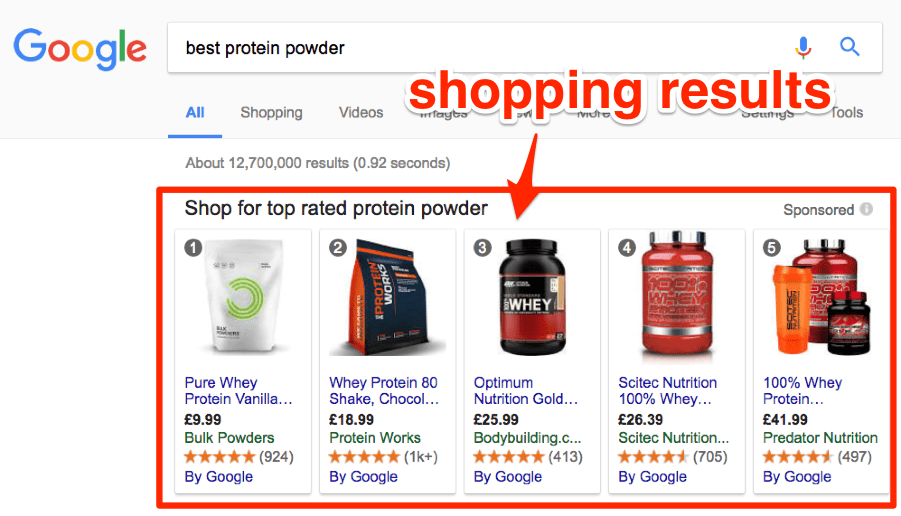
It Doesn't Work Well for "Shopping" Queries

Should You Be Trying to Improve Dwell Time? (And If so, How?)

1. Create BETTER Content…Somewhere Between 2X and 10X


2. Target the RIGHT Keywords (and DON'T "Clickbait")

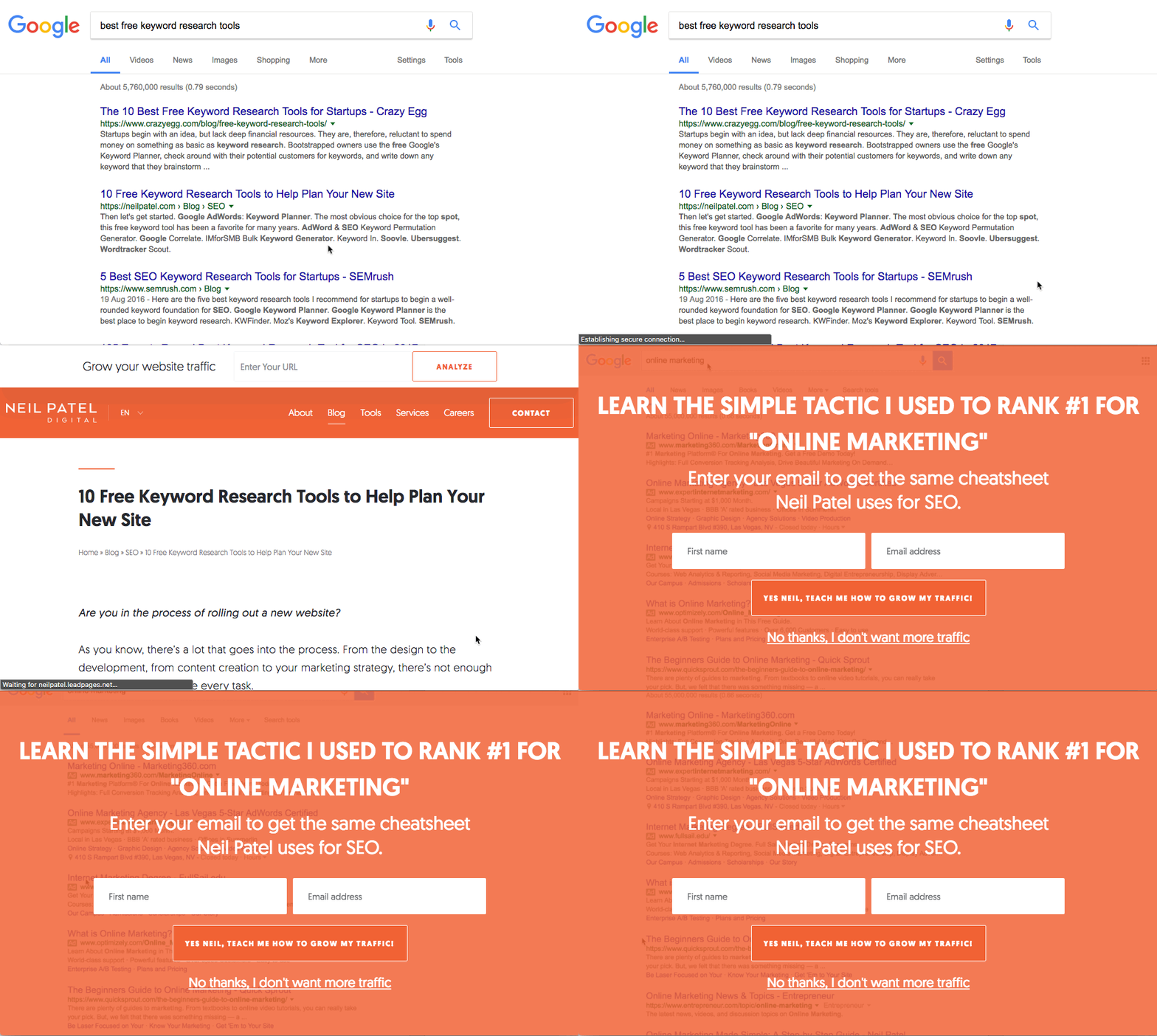
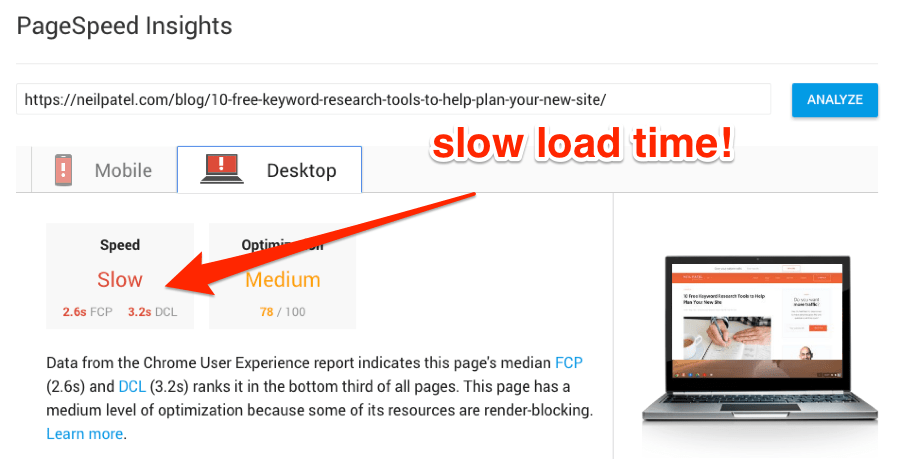
3. Tedious-Loading Website? Intrusive Ads? Finish! Make UX/UI Your TOP Priority!
4. Sprinkle Internal Links Throughout Your Content…BUT Make Sure They're RELEVANT!

5. ALWAYS Keep Your Content Up-to-Date (Stale = Fail!)


Final Thoughts
Source: https://ahrefs.com/blog/dwell-time/
0 Response to "Reading Level, Longer Dwell Times, Faster Page Loading Are All Factors That Affect Answer"
Post a Comment